Carpet Cleaning Greeley CO for Healthier Living Spaces

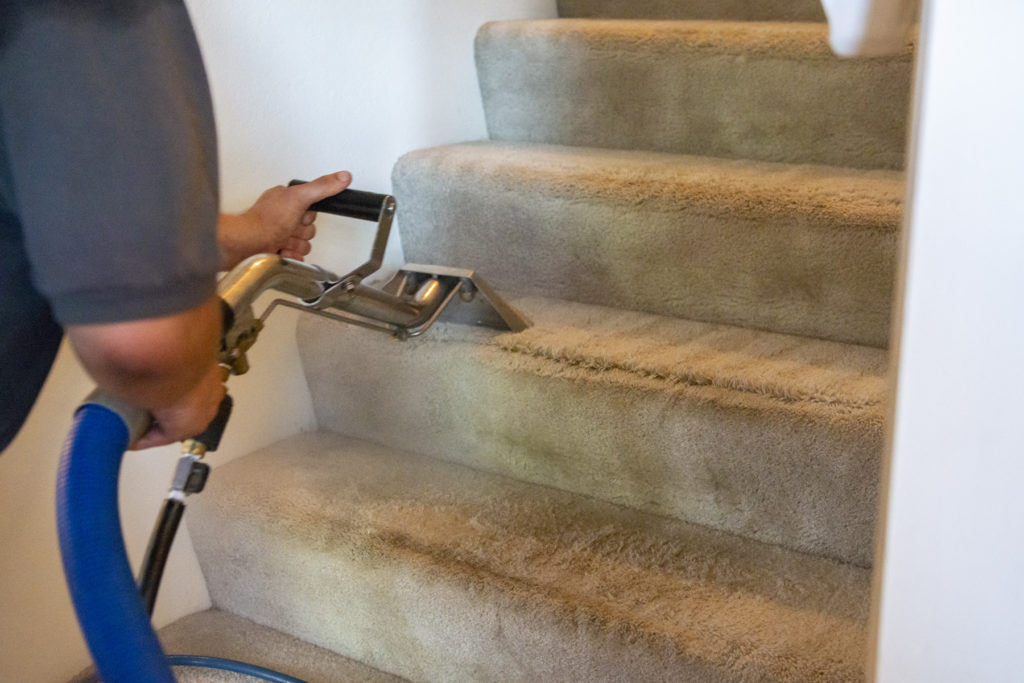
A clean carpet changes more than the look of a room. It changes how the room feels, how it smells, and in many homes, how comfortable it is to breathe. People often think of carpet cleaning as a cosmetic service, something to schedule before guests arrive or after a spill becomes impossible to ignore. In practice, it has much more to do with day-to-day health, especially in homes with kids, pets, allergy sufferers, or heavy foot traffic.
In Greeley, carpets take a particular kind of wear. Dry winds, dust, mud from snowmelt, lawn debris, pet dander, and the grit tracked in from driveways all settle deep into fibers. A carpet can look decent from standing height and still hold a surprising amount of soil below the surface. That buildup matters. It affects indoor air quality, shortens the life of the flooring, and creates the kind of stale feel that even regular vacuuming cannot fully solve.
That is where professional Carpet Cleaning Greeley CO services earn their keep. Not because every carpet needs extreme treatment, but because most carpets need the right treatment at the right time. Good cleaning is less about making fibers wet and more about understanding material, soil load, drying conditions, stain chemistry, and safe extraction.
What lives in a carpet besides dirt
Most homeowners know carpets collect dust. Fewer realize how varied that debris becomes over time. Soil enters from outside, but much of what settles into carpet comes from everyday life inside the home. Dead skin cells, cooking residue, pet oils, pollen, fabric lint, and tiny particles from shoes all work their way down into the pile. In bedrooms and living rooms, especially, carpets act like large fabric filters.
That can be helpful to a point. Carpet can trap particles instead of letting them circulate constantly through the air. The problem starts when the trapped material builds up and gets disturbed again by walking, vacuuming, or children playing on the floor. If anyone in the home struggles with allergies, asthma, or sinus irritation, a heavily soiled carpet can quietly make symptoms worse.
There is also the moisture question. Greeley’s climate is often dry, but wet contamination still happens all the time. Snow tracked in during winter, a leaking plant pot, a pet accident, a drink spill that soaked through the pad, or a humidifier used too aggressively in one room can all leave moisture where it should not sit. When that moisture mixes with organic debris, odor and microbial growth can follow. You do not always see a dramatic stain when this happens. Sometimes the first clue is simply that a room never smells truly fresh.
I have tlccarpetcleaningnortherncolorado.com Carpet Cleaning Greeley CO seen many homes where owners were convinced the problem was in the air vents, only to find that the carpet in one high-use area was holding months of fine dust and old spills. Once the carpet was properly cleaned and dried, the room felt lighter almost immediately. That is not marketing language, it is a practical result of removing what has been trapped there.
Why Greeley homes have their own carpet-cleaning challenges
Local conditions matter. Carpet care in a humid coastal city is different from carpet care on the Front Range. Greeley’s mix of dry weather, wind, seasonal mud, and dust creates a distinct pattern of wear. Fine dry soil is abrasive. It settles into carpet and grinds against the fibers as people walk. Over time, that abrasion dulls texture and appearance. It also makes the carpet harder to clean because dry particulate works below the top layer.
Then there is the issue of entryways and transitional spaces. In many Greeley homes, mudrooms, hallways, stairs, and family rooms take the brunt of the traffic. You can often trace the path from the garage or back door Carpet Cleaning Greeley CO just by looking at the carpet pile. Those lanes are not only darker because they are dirty. They are often worn flat, which means even after cleaning they may not match the surrounding area perfectly. A responsible cleaner explains that difference up front. Clean and restored are not always the same thing.
Pet ownership adds another layer. Dogs bring in soil from yards and parks, and their body oils collect in carpet over time, especially in favorite resting spots. Cats can create more localized odor issues when accidents happen near walls or furniture. With both, the challenge is not just cleaning the visible surface, but addressing what has moved into the backing or pad.
This is why generic advice rarely works well. Carpet Cleaning Greeley CO is most effective when the service accounts for local dust load, weather patterns, and realistic use conditions in occupied homes.
Vacuuming helps, but it has limits
Routine vacuuming is essential. It removes loose dry soil before it gets ground deeper into the carpet. In many homes, the difference between a carpet that lasts seven years and one that lasts twelve is not just the cleaning method, it is whether the homeowner vacuums consistently and uses a machine with enough suction and agitation to matter.
Still, vacuuming has limits. It does not remove sticky residues from spills. It does not flush deeply embedded fine particles out of the backing. It does not solve urine contamination, old food spots, tracked grease, or odors caused by moisture. It also cannot undo detergent residue left behind by improper spot cleaning.
That residue issue comes up more often than people expect. A homeowner tries to clean one area with a grocery-store shampoo or a rented machine, the product is not fully extracted, and the spot seems to come back quickly. What is often happening is soil is sticking to the leftover detergent. The carpet is not attracting dirt magically, it is simply holding onto it because the fiber was not rinsed well.
Professional cleaning, when done correctly, resets the carpet. It removes accumulated soil and residues that regular maintenance cannot reach. That gives homeowners a cleaner baseline and makes normal upkeep more effective.
The difference between cleaning methods
Not every carpet cleaning method suits every situation. The best choice depends on the carpet fiber, the amount and type of soil, how quickly the room needs to be back in use, and whether odor or stain issues are involved.
Hot water extraction is often the most thorough option for residential carpets. Despite the common phrase “steam cleaning,” most systems rely on hot water and cleaning agents, followed by strong extraction. When performed properly, it flushes soil from deep within the carpet and removes much of the moisture immediately. For heavily used family homes, this is usually the method that delivers the most noticeable improvement.
Low-moisture methods can work well for lighter maintenance cleaning, commercial settings, or situations where rapid dry time matters most. They use less water, which can be helpful in some contexts, but they are not automatically better. If a carpet is carrying heavy soil or contamination, low moisture alone may not be enough.
Bonnet cleaning can improve surface appearance, though it is generally more of a maintenance method than a deep restorative one. Shampoo-based methods can work, but only if residue is controlled carefully. Encapsulation has its place too, particularly in commercial spaces.
The real question is not which method sounds modern. It is whether the method matches the carpet’s condition. A good technician looks at the fiber type, traffic patterns, stains, prior cleaning history, and expected dry time before choosing a process.
Health benefits that people actually notice
Marketing around “healthier homes” can get vague fast, so it helps to keep the discussion practical. Freshly cleaned carpets do not turn a home into a sterile environment, and no honest professional should claim that. What they can do is reduce the load of dust, allergens, residues, and odor sources sitting in the flooring.
The benefits tend to show up in ordinary ways. Rooms smell cleaner. Socks stay cleaner when children play on the floor. Seasonal allergy irritation may feel less intense in rooms that were carrying a lot of dust and dander. Pet-heavy spaces stop having that faint, persistent smell that returns every afternoon when the sun warms the room. None of these results are dramatic in the theatrical sense. They are simply the signs of a cleaner indoor environment.
Homes with infants and toddlers often benefit the most, because little kids spend more time on the carpet than adults do. They crawl, roll, sit, and put toys on the floor constantly. For those families, carpet cleanliness is not just about appearance. It is about the surface their child interacts with every day.
Older adults and people with respiratory sensitivity can also notice a difference. Again, the carpet is not the only factor in indoor air quality, but it is a large soft surface that holds onto debris. Cleaning it thoroughly removes one reservoir of contamination.
When a carpet is asking for help
Most carpets do not go from clean to obviously dirty overnight. The change is gradual, which is why people get used to it. If you live in the space every day, you may not notice that the room smells a little heavier or the high-traffic areas have become visibly dull.
Here are a few signs that often mean it is time to schedule professional service:
- Traffic lanes look gray or matted even after vacuuming.
- The room has a stale or musty odor, especially after doors and windows stay closed.
- Spots reappear after you thought they were cleaned.
- Allergy symptoms seem worse when people spend time in carpeted rooms.
- Pets have had accidents, even if the stain is no longer visible.
These signs do not all mean the carpet is damaged beyond recovery. In many cases, they simply mean normal maintenance has reached its limit.
Stains, odors, and the truth about “permanent” problems
One of the most useful things a seasoned cleaner brings is judgment. Not every stain can be removed fully, and pretending otherwise wastes everyone’s time. Some carpet discoloration is true staining. Some is bleaching. Some is wear that has changed the way fibers reflect light. Some dark areas are simply compacted pile holding soil.
Red dye spills, pet urine, coffee, cosmetics, rust, and tracked-in grease all behave differently. An effective response starts with identifying what caused the problem and how long it has been there. Age matters. So does prior treatment. A stain that was scrubbed aggressively with the wrong product may be harder to correct than one left alone.
Odor issues are even trickier. Surface cleaning can improve odor, but if the source has penetrated into the pad or subfloor, deeper treatment may be necessary. This is common with repeated pet accidents. In mild cases, targeted treatment and flushing can solve the problem. In severe cases, portions of pad may need replacement. Homeowners deserve that honesty. If a cleaner guarantees complete odor removal without inspecting the affected area, caution is wise.
There is also a common misunderstanding about deodorizing products. Masking fragrance is not the same as odor removal. The right process neutralizes or removes the source. Heavy perfume might make a carpet smell “clean” for a day, but it does not fix contamination.
Dry times matter more than many people realize
A carpet that is cleaned well but left too wet can create new problems. Slow drying increases the risk of musty odor, wick-back staining, and in some cases damage to the pad or subfloor. That is why extraction strength, airflow, and humidity conditions matter.
In Greeley, dry air often helps carpets dry faster than they would in more humid climates, but that is not automatic. A densely padded room with limited airflow can still stay damp too long. Winter jobs can be tricky if windows stay shut and indoor heat is low. Summer jobs can dry quickly, unless monsoon moisture or poor ventilation slows things down.
Most homeowners should expect the carpet to feel slightly damp after hot water extraction, not soaked. Depending on the method, airflow, and soil level, dry times can range from a few hours to around a day. Technicians who move air well, avoid overwetting, and explain aftercare usually deliver better results than those who rush through the work.
Simple habits help here. Keep foot traffic light until the carpet is dry. Use fans if recommended. Avoid replacing furniture too soon unless protective tabs are used. Those details sound small, but they prevent problems.
Choosing a service with confidence
A strong carpet cleaning company does more than show up with a machine. It inspects, explains, sets realistic expectations, and tailors the process to the home. That matters because carpet cleaning has a low barrier to entry and a wide range of skill levels in the field.
If you are comparing Carpet Cleaning Greeley CO providers, pay attention to a few practical indicators:
- They ask questions about fiber type, pets, stains, and prior cleaning before quoting confidently.
- They explain the method they recommend and why it fits your carpet.
- They are clear about pricing, including extra charges for stairs, stain treatment, or pet work.
- They talk honestly about what may improve versus what may not come out completely.
- They give guidance on dry time and post-cleaning care.
A company that communicates this way usually understands the work beyond the sales pitch. Vague promises and unrealistically low pricing often point to rushed service, upsells once inside the home, or weak cleaning that leaves residue behind.
How often should carpets be cleaned?
There is no single answer that fits every household. A retired couple without pets may need professional cleaning far less often than a family of five with two dogs and a busy entryway. Most homes land somewhere between every six months and every eighteen months for main living areas. Bedrooms used lightly may stretch longer. Stairs and family rooms may need attention sooner.
The right schedule depends on several factors: traffic volume, number of occupants, pets, allergies, and whether shoes are worn indoors. If someone in the home is highly sensitive to dust or dander, more frequent cleaning may make sense. If the carpet still looks and smells fresh and vacuums well, there is no need to clean on a rigid calendar just because a coupon arrived in the mail.
One useful rule is to watch the traffic lanes. When those areas stop responding to normal vacuuming and begin to look flat or gray, the carpet is telling you that embedded soil is building up.
What homeowners can do between professional visits
The best professional cleaning results last longer when everyday maintenance is sound. Frequent vacuuming in high-traffic areas makes a bigger difference than occasional deep cleaning alone. Entry mats help, especially near garage and patio doors. So does addressing spills quickly with restraint rather than panic.
Blotting is usually better than scrubbing. Too much water often spreads the problem and pushes it deeper. So does overusing spot cleaner. If you are unsure what the carpet fiber can tolerate, test in an inconspicuous place or call a professional before trying three random products in frustration.
Furniture layout can matter too. Rooms with the same traffic path day after day tend to develop sharper wear patterns. Small adjustments over time can distribute use more evenly. That will not stop soiling, but it can slow down visible wear.
For pet owners, consistency is critical. If accidents are cleaned quickly and correctly, the odds of lasting odor drop sharply. If they sit overnight or are treated only at the surface, the cleanup becomes much more difficult.
The value is not just visual
People often judge carpet cleaning by one standard: does it look brighter when the job is done? That is understandable, but it is too narrow. Some of the most worthwhile benefits do not show up in a before-and-after photo. The room may smell better, feel fresher, and collect less visible dust for a while afterward. The carpet may also wear more evenly because abrasive soil has been removed before it could keep grinding away at the fibers.
There is a financial angle too. Replacing carpet is expensive, especially when pad, furniture moving, installation, and disruption are factored in. Proper maintenance helps protect that investment. A quality cleaning does not erase wear, but it can extend usable life and delay replacement. For many homeowners, that alone justifies the service.
More important, clean carpet supports the kind of home most people actually want to live in. Not a showroom, not a picture-perfect listing photo, just a space that feels cared for. A room where children can play on the floor, guests can sit comfortably, and the air does not carry that faint, dusty heaviness people stop noticing until it is gone.
That is the real case for Carpet Cleaning Greeley CO. It is not about chasing perfection. It is about maintaining a healthier, more comfortable living space with methods that fit the way real homes are used. When the work is done well, you notice it in the small daily moments, and those are usually the ones that matter most.
TLC Carpet & Air Duct Cleaning
6380 W 10th St, Suite 7
Greeley, CO 80634
(970) 352-8176
FAQ About Carpet Cleaning Greeley CO
How much should a carpet cleaner cost in Greeley?
Pricing depends on the number and size of rooms, carpet condition, and add-ons such as stain treatment or stairs. Ask for an itemized quote.
How long will my carpet take to dry after cleaning?
Drying time varies with the carpet, cleaning method, humidity, and airflow. Ask the technician for an estimate and when to move furniture back.
How do I prepare my home for carpet cleaning?
Pick up small items, clear a path for equipment, and point out stains or delicate fibers. Ask the cleaner which furniture they can move and what needs to be moved before the visit.